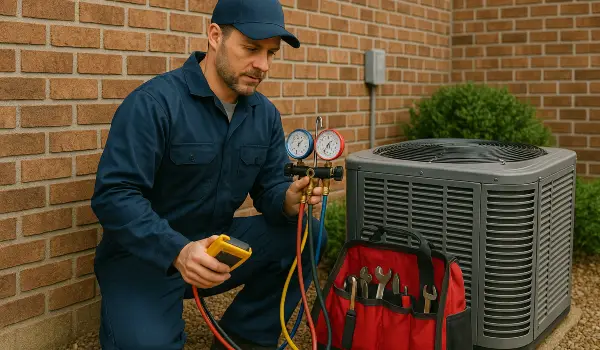
Many homeowners assume a ductless mini split that blows warm air or short cycles simply needs more refrigerant, a sensible conclusion after a hot Chicago afternoon. Chicago Air Conditioning Gomanzo often finds a different installation issue: an oversized indoor head, a pinched line set, or a condensate drain without enough slope. Adding refrigerant without testing pressures and drainage can leave ice on the lines, water around the unit, and a larger repair. Learn more about our air conditioning gomanzo in Chicago.
A properly installed system is sized room by room, with the outdoor condenser matched to the indoor heads and the line set routed correctly. High humidity, rising electric bills, and uneven temperatures can result from poor airflow, loose flare connections, or a unit that is too large for the space. The real goal is controlled cooling and dehumidification, not just cold air from the wall cassette for a few minutes.
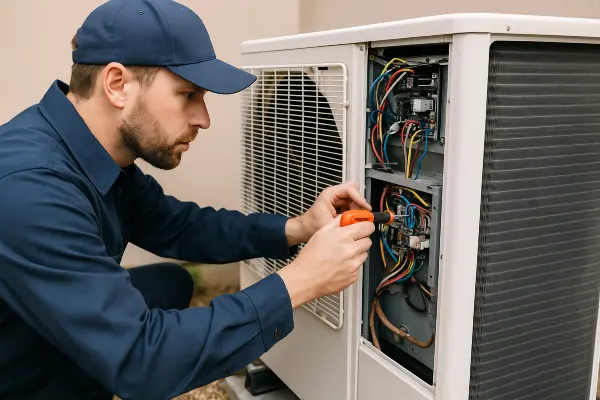

Most single-zone ductless mini split installations take about one working day, while two- or three-zone systems commonly take one to three days. You may hear a drill for the wall opening, see technicians carrying a condenser pad and line set, and have power briefly shut off while the disconnect and wiring are completed. Furniture near the indoor head location may need to be moved, but most of the home remains usable. Learn more about our expert Smart Thermostat Installation services.
The quiet parts of the job still matter. Technicians pressure-test the refrigerant lines with nitrogen, pull a vacuum to remove moisture, check the condensate drain, and run the system through cooling cycles before leaving. Brick walls, long line-set routes, electrical panel limitations, rain, or a needed permit can add time. Smart Thermostat Installation may also require separate wiring checks if the existing thermostat controls other equipment.
Ask how the contractor will determine capacity for each room instead of accepting a recommendation based only on square footage. Windows, insulation, ceiling height, sun exposure, and the number of occupants affect the load on an indoor head. Request an explanation of condenser placement, wall penetration location, line-set length, condensate routing, electrical disconnect work, and how the installer will protect siding, brick, flooring, and landscaping. Learn more about our expert Air Duct Repair services.
A written estimate should identify the equipment model, number of zones, mounting hardware, refrigerant line set, drain materials, electrical work, startup testing, and permit responsibilities where applicable. Ask what happens if a hidden wall condition changes the route. Air Duct Repair is not usually part of a ductless project, so a contractor should explain clearly if existing ducts are being left in place, sealed, or used alongside the new system.
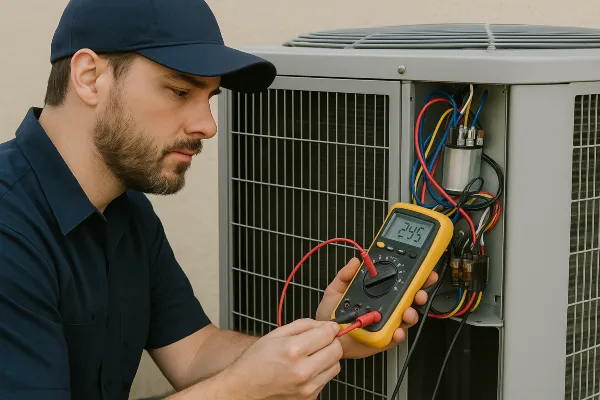
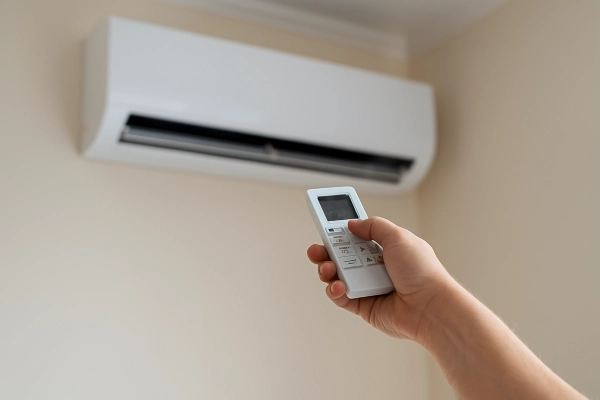
Gather the equipment proposal, any building or condo rules, and photos of the rooms where you want indoor heads mounted. Note which rooms feel humid, which windows receive afternoon sun, and when warm air or short cycling occurs. Clear a path from the entry to the installation areas, including access to the electrical panel, and move artwork, electronics, and fragile items at least several feet from the work wall.
Outside, make room around the planned condenser location and identify sprinkler heads, downspouts, gates, and basement window wells. Arrange for pets to stay away from open doors and drilling areas, and make sure an adult can answer placement questions. Do not patch suspected leaks with tape, relocate a disconnect yourself, or pre-drill a wall hole; hidden wiring, plumbing, and the required drain slope can make those shortcuts expensive.
CHICAGO AIR CONDITIONING GOMANZO
700 N Sacramento Blvd, Chicago, IL 60612
(773) 736-3601
Hours of Operation
Open 24 Hours